
For activewear, golf wear, tennis apparel, and outdoor lifestyle clothing, UV protection is no longer just a feature — it is part of product trust.
One of the most common questions brands ask during fabric sourcing is:
Why is the highest UV protection label always UPF 50+?
Why not UPF 80 or UPF 100?
The answer comes from international textile testing standards, labeling rules, and real consumer communication practices.
In this article, we break down exactly what UPF means, why UVA transmission matters, and why UPF 50+ is the highest commercial standard used in apparel.
What Does UPF Mean in Fabric Testing?
UPF = Ultraviolet Protection Factor
It measures how effectively a textile blocks ultraviolet radiation compared with unprotected skin.
In simple terms:
the higher the UPF value, the stronger the UV protection.
For example:
- UPF 30 = blocks around 96.7% UV
- UPF 40 = blocks around 97.5% UV
- UPF 50 = blocks around 98% UV
- UPF 50+ = blocks 98%+ UV radiation
This means only about 1/50 of harmful UV rays can pass through the fabric.
For most consumer use cases, this is already considered the highest meaningful level of protection.
Why Is UPF 50+ the Highest Label?
The reason is standardized textile labeling rules.
According to GB/T 18830-2009 Textile — Evaluation for UV Protection Properties, UV-protective products must meet both conditions:
- UPF > 40
- Average UVA transmission < 5%
The labeling logic is:
- 40 < UPF ≦ 50 → label as UPF 40+
- UPF > 50 → label as UPF 50+
Once the protection level exceeds 50, the label no longer continues to UPF 80 or UPF 100.
That is why:
UPF 50+ is the highest recognized consumer-facing protection rating.
This rule is widely aligned with global standards such as:
- GB/T 18830-2009
- EN 13758-1
- AATCC 183
Why UVA Transmission Is Just as Important
Many brands focus only on UPF values.
However, UVA transmission is equally critical.
More than 95% of the UV radiation that reaches our skin daily is UVA.
Unlike UVB, UVA penetrates much deeper into the dermis and accelerates:
- collagen breakdown
- skin aging
- elasticity loss
- long-term sun damage
This is why standards also require:
average UVA transmission below 5%
The lower the UVA transmission, the better the real protection performance.
How UPF 50+ Fabrics Are Tested
Professional textile labs typically use:
- UV-visible spectrophotometer
- UV transmittance testing instruments
The process includes:
- fixing the fabric sample on a testing platform
- measuringg UV transmittance
- calculating absorption and blocking rate
- converting results into UPF value
However, an important professional consideration is this:
fabric performance may change under stretch, moisture, and repeated wear.
This is especially important for:
- leggings
- yoga tops
- golf sleeves
- sun protection jackets
- swim cover-ups
A flat lab-tested UPF 50+ fabric may behave differently when stretched on the body.
That is why experienced activewear manufacturers always test real wearing conditions, not just flat fabric data.
What Brands Should Focus on During Development
If your brand is developing:
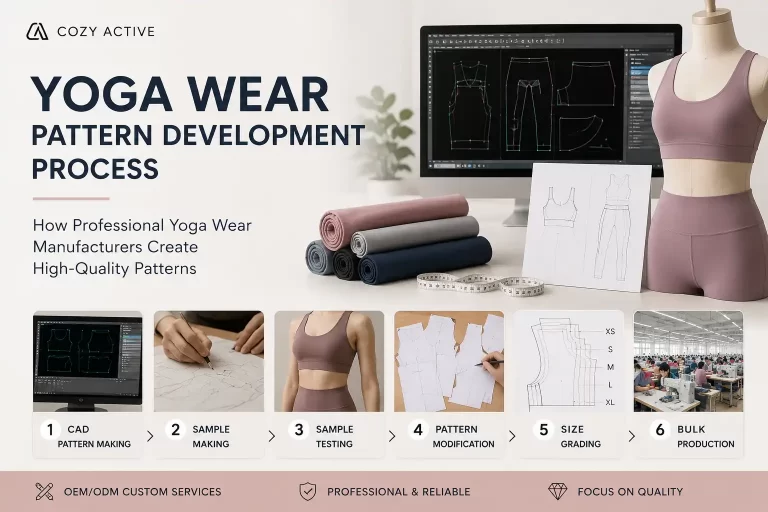
- yoga wear
- golf apparel
- tennis sets
- running jackets
- hiking layers
- outdoor sun-protective collections
UV performance depends heavily on:
- fabric density
- yarn structure
- elastane content
- dyeing finish
- moisture condition
- stretch recovery
- long-term wash stability
For premium collections, achieving UPF 50+ with soft hand feel, breathability, and strong stretch recovery requires the right balance in fabric engineering.
Final Takeaway: UPF 50+ Is the Highest Practical Consumer Standard
UPF 50+ is not a marketing phrase.
It is the result of recognized textile testing standards and labeling rules.
Once a fabric exceeds the threshold of:
- UPF > 50
- UVA transimission < 5%
it enters the highest recognized commercial protection category.
For modern activewear and outdoor brands, UV protection is now part of:
- fabric credibility
- premium positioning
- performance trust
- customer retention
If you are developing UPF 50+ yoga wear, golf apparel, or outdoor activewear, we can help source and engineer fabrics that balance UV protection, comfort, stretch, and premium aesthetics.