Call Us:+86 17381572955
Performance Fabrics for Gym Bottoms: What Every Athlete Look For

Introduction: Why Fabric Matters in High-Performance Activewear
In the world of women’s activewear, fabric isn’t just a detail–it’s the foundation of performance.
Whether you’re pushing through HIIT, stretching in yoga, or running errands after a workout, the right performance fabrics determines how comfortable, supported, and confident you feel.
Today’s gym bottoms are engineered to deliver moisture management, elasticity, durability, and temperature control–all essential for athletes at every level.

What Are Performance Fabrics in Gym Bottoms?
Performance fabrics are textiles designed to enhance movement, manage moisture, and withstand physical activity. Unlike regular fabrics, they offer:
- Moisture-wicking to draw sweat away from the body
- Breathability for airflow and temperature regulation
- Stretch and recovery to support flexible movement
- Durability under repeated use and washing
These features collectively improve both performance and comfort, helping athletes stay focused and fresh.
Essential Fabric Features to Look For
When shopping for gym bottoms, prioritize the following features:
1. Moisture-Wicking
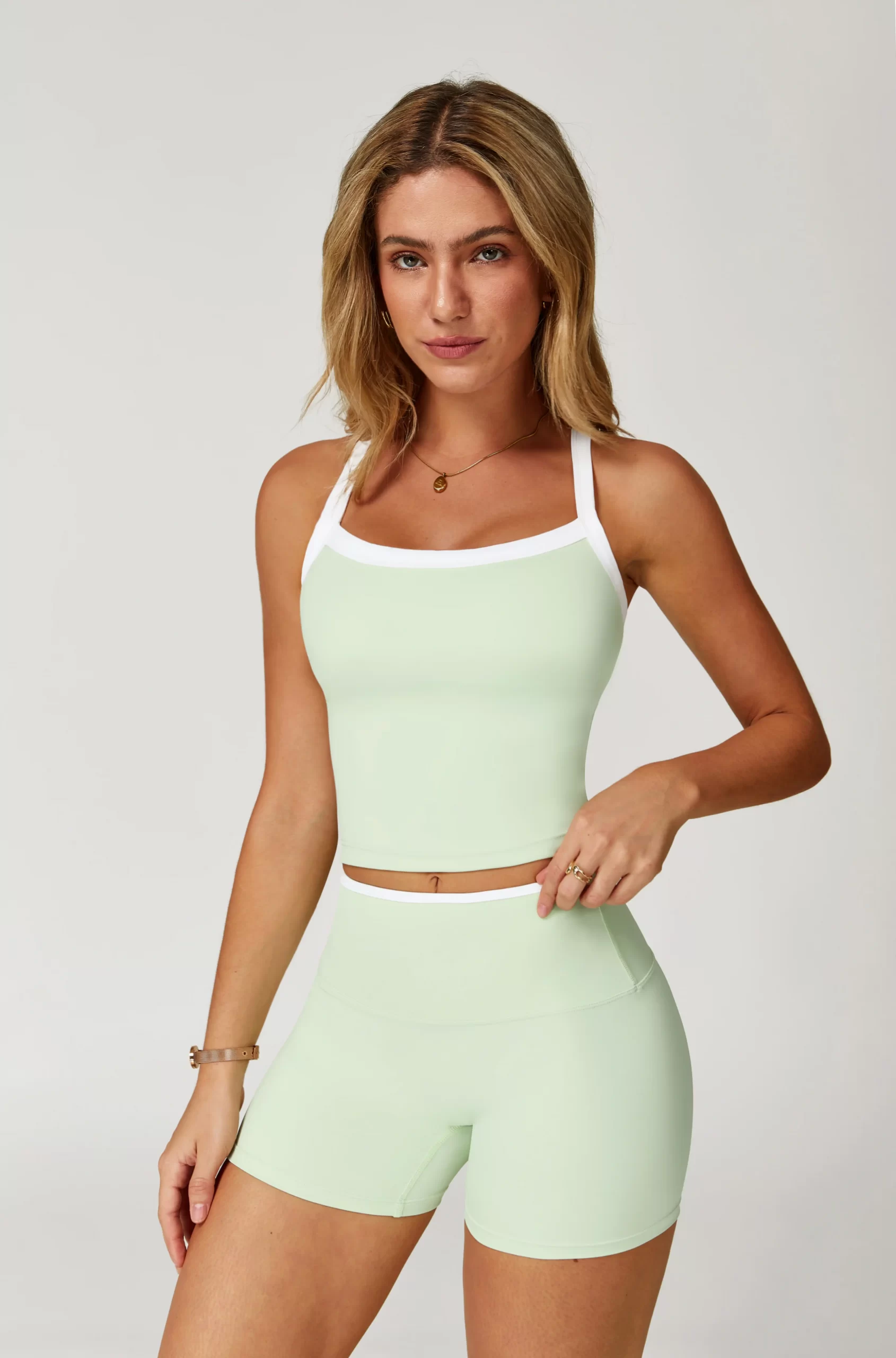
Sweat should be absorbed and evaporated quickly. Look for fabrics like polyester-spandex. Our Ascent Edge leggings feature a perfect blend of polyester and spandex, providing ultimate moisture-wicking abilities. No matter how intense your workout, the fabric draws sweat away from your body, keeping you dry and comfortable. Plus, with 4-way stretch, these leggings provide unrestricted movement–whether you’re doing squats or sprinting.
2. Stretch & Recovery
4-way stretch fabrics ensure flexibility while maintaining their shape over time.
3. Breathability
Tiny pores or mesh zones allow better airflow, especially in high-sweat areas like the back of the knees or waistband.
4. Durability
A good gym fabric withstands multiple washes, maintains color, and resists pilling.
5. Anti-Odor Control
Many fabrics are treated with antimicrobial finishes to prevent bacterial buildup from sweat.
6. Compression Support
For some workouts, moderate compression enhances circulation and muscle support.
7. Thermoregulation
In hot or cold conditions, smart fabrics can help cool or insulate your body.
Popular Fabric Types for Gym Activewear
Here are the top-performing fabrics commonly used in women’s gym activewear:
- Polyester + Spandex: Lightweight, quickly-drying, and ultra-stretchy
- Nylon Blends: Smooth, breathable, and strong-ideal for high-impact workouts
- Supplex: Combines cotton-like feel with performance features
- Mesh Panels: Strategic placement for added breathability and aeshetic
- Recycled Fibers: Eco-conscious and often paired with performance features
Matching Fabric to Your Workout Type
| Workout Type | Best Fabric Properties |
| Yoga/Pilates | Soft touch, 4-way stretch, non-compressive |
| HIIT/Running | High sweat control, compression, quick-dry |
| Strength Training | Durable, squat-proof, medium stretch |
| Outdoor Workouts | Wind-resistant, UV-protective, thermoregulating |
Fit, GSM, and Fabric Wight: What It Means
GSM (Grams per Square Meter) measures fabric density. For activewear:
- 180-250 GSM: Lightweight to medium support (good for yoga)
- 260-320 GSM: High support, squat-proof, and structured (great for strength training)
A higher GSM often provides more opacity and durability.
Care Tips to Extend the Life of Performance Activewear
- Wash in cold water
- Avoid fabrics softeners (they reduce moisture-wicking ability)
- Air-dry instead of machine-drying
- Do not iron performance fabric
- Avoid mixing with abrasive items (zippers, velcro)
Proper care preserves elasticity, shape, and fabric finish.
Red Flags: What to Avoid in Gym Bottoms
- High cotton content (retains sweat and sags)
- Poor stretch recovery (leads to bagging)
- See-through fabric under movement
- Seems that digs in or restricts flexibility
- Early signs of pilling or fraying
Conclusion: Your Performance Checklist
Before buying your next pair of gym bottoms, use this checklist:
✅ Moisture-wicking
✅ 4-way stretch
✅ Breathability
✅ Anti-odor treatment
✅ Squat-proof (opacity)
✅ Suitable GSM for your workout
✅ Comfortable fit & waistband grip
Investing in the right fabric is not a luxury — it’s a performance essential.
FAQs About Fabrics for Gym Bottoms
Q1: What is the best fabrics for gym leggings?
A: A blend of polyester and spandex or nylon and elastane offers the best performance in terms of stretch, sweat control, and comfort.
Q2: How do I know if my workout bottoms are sweatproof?
A: Check for moisture-wicking fabric labels and test by wearing during intense workouts. Look for polyester or nylon with sweat-wicking properties.
Q3: What does 4-way stretch mean in fabric?
A: It means the fabric stretches in both directions — crosswise and lengthwise–allowing full range of motion and better shape retention.
Q4: Can I wear cotton bottoms to the gym?
A: Cotton absorbs sweat and takes longer to dry, making it unsuitable for most workouts. It may feel heavy and uncomfortable during exercise.
Q5: How can I make my gym bottoms last longer?
A: Avoid hot washes, fabric softeners, and machine drying. Always turn them inside out and wash in cold wear on a gentle cycle.