Call Us:+86 17381572955
Fabric Insights & Sourcing Considerations: What Really Matters in Activewear

In activewear development, fabric is never just a material choice — it’s a strategic decision. From performance and comfort to cost control, sustainability, and long-term brand trust, farbic selection and sourcing directly shape the success of a product.
Over the years of working with brands across different markets, we’ve seen that many challenges in activewear don’t start at design — they start at fabric sourcing.
Here are some key insights and considerations every brand should keep in mind.
1. Fabric Performance Comes Before Farbic Names
Terms like nylon, polyesyer, or bamboo are only the starting point.
What truly matters is how the farbic performs in real use.
Key performance factors to evaluate:
- Stretch and recovery (does it snap back after movement?)
- Breathability and moisture management
- Hand feel against skin (especially for long wear or sensory-sensitive users)
- Opacity and durability under stress
Two fabrics with the same composition can feel completely different depending on yarn quality, knitting structure, and finishing processes.
Insight: Always test fabrics in motion — not just on the hanger.
2. Fabric Weight and Strcuture Matter More Than You Think
Farbic GSM (weight) is often misunderstood. Heavier does not automatically mean better.
- Lightweight fabrics enhance breathability and freedom of movement
- medium-weight farbics balance support and comfort
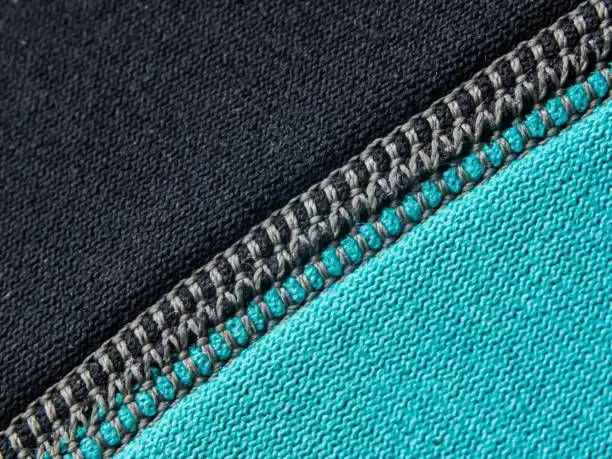
- Farbic structure (warp knit vs circular knit) affects stretch, stability, and appearance
Choosing the right fabric weight depends on:
- Intended activity (yoga, gym, lifestyle, kidwear)
- Climate and target market
- Desired fit and compression level
Insight: Match fabric structure to function, not trend.
3. Sourcing Consistency Is as Important as Initial Quality
One common risk brands face is fabric inconsistency between samples and bulk production.
This often happends when:
- Fabrics are sourced from unstable suppliers
- Dye lots are not properly controlled
- Fabric availability changes mid-season
Reliable sourcing means:
- Stable mills with repeatable quality
- Clear fabric specifications recorded from the beginning
- Advance planning for bulk fabric reservations
Insight: A great sample means nothing if the bulk fabric can’t be replicated.
4. Sustainability Requires Transparency, Not Just Labels
Sustainable fabrics are in high demand — but sourcing them responsibly requires more than adding a certification badge.
Key considerations include:
- Verified certifications (OEKO-TEX, GRS, GOTS, etc.)
- Traceability of raw materials
- Dyeing and finishing processes
- Long-term fabric availability
Sustainability should also consider longevity — fabrics that last longer reduce overall environmental impact.
Insight: True sustainability balances material choice, process control, and product lifespan.
5. Cost Control Starts at Fabrics Strategy
Fabrics is one of the largest cost components in activewear production.
Smart sourcing looks beyond unit price:
- MOQ requirements at fabric mill level
- Color minimums and dye costs
- Yield and cutting efficiency
- Fabric loss during production
Early fabric decisions directly affect final pricing flexibility, especially for growing brands.
Insight: Cost efficiency comes from planning, not last-minute negotiation.
6. Fabric Choices Shape Customer Experience — and Returns
Many fit issues, comfort complaints, and returns are not caused by pattern mistakes, but by fabric behavior.
Common examples:
- Waistbands rolling due to poor recovery
- Sheerness caused by insufficient fabric density
- Irritation from rough yarns of finishes
Fabric testing with real wear scenarios significantly reduces post-launch issues.
Insight: Fabric problems show up after washing — not during sampling.
Final Though: Fabric Insights & Sourcing Considerations: What Really Matters in Activewear
Fabric sourcing is not just a technical step — it’s a foundation.
Brands that invest time in understanding farbic performance, sourcing stability, and long-term availability build products that last longer, perform better, and earn customer trust.
At CozyActive, we regularly share insights and sourcing considerations because we believe better knowledge leads better products — for brands, consumers, and the industry as a whole.