Call Us:+86 17381572955
Yoga Class Outfit Guide: Do You Really Need to Wear Yoga Pants?

Before stepping into a yoga studio, many beginners share the same question:
“Do I really have to wear tight yoga pants and a sports bra? Can’t I just wear regular workout clothes?“
Scrolling through social media and seeing all kinds of yoga outfits can be confusing. It often raises another question:
Is specialized yoga wear truly essential for practice — or just a marketing trend?
The short answer is simple: it’s not mandatory, but it’s highly recommended.
When it comes to yoga attire, everything comes down to two core principles: comfort and safety. Ancient yogis obviously didn’t have access to modern performance farbics, but as yoga has evolved into a more dynamic and physically demanding practice, what you wear has become increasingly important.
This article breaks down — from a functional, safety, and situational perspective – why professional yoga wear has become the mainstream choice, and how to choose the right outfit for your won practice.
Why Do Most People Choose Professional Yoga Wear?
Breathability & Moisture-Wicking
During yoga practice — especially dynamic flows or hot yoga — sweating is inevitable. Professional yoga apparel (such as farbics like lululemon’s Luon or Swift) is designed to be highly breathable and moisture-wicking, quickly drawing sweat away from the skin. This helps prevent that sticky, uncomfortable feeling and reduces the risk of skin irritation or rashes caused by trapped moisture.
Stretch & Flexibility
Yoga involves a wide range of stretching, twisting, and bending movements. Yoga clothing — particularly fabrics containing LYCRA® fibers — offers excellent four-way stretch that moves seamlessly with your body. This allows full freedom of movement while providing gentle muscle support and reducing strain during poses.
Support & Coverage
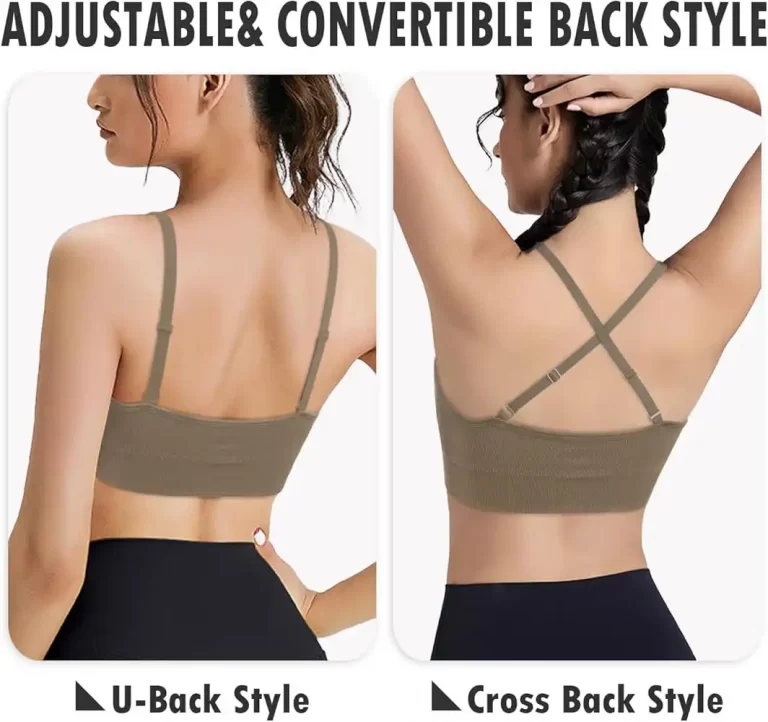
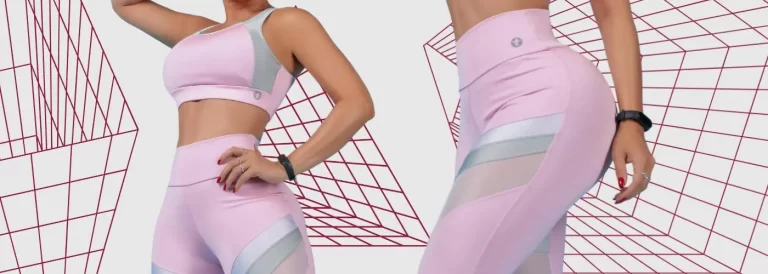
A well-designed sports bra provides essential support for the chest during dynamic practice, minimizing discomfort and unwanted movement. High-waisted yoga pants offer core coverage and stability, helping you feel more secure and supported throughout your practice.
Safety Matters: Avoiding Distraction and Accidental Exposure
Preventing Visual Obstruction
One of the most common concerns yoga insttructors mention is loose tops. When wearing a loose T-shirt during poses like Downward-Facing Dog or Headstand, the fabric can slide down and cover your face — which is distracting and potentially unsafe.
Avoiding Wardrobe Malfunctions
Yoga includes many hip-opening and deep stretch poses (such as Triangle Pose). Loose shorts can easily lead to accidental exposure at certain angles. Fitted yoga pants eliminate this concern entirely, allowing you to focus fully on your practice without embarrassment.
Minimizing Discomfort
Professional yoga wear typically features clean, minimal designs without zippers, buttons, or bulky embellishments — preventing discomfort prone or twisting poses.
Yoga Pants Myths: Do They Have to Be Tight?
While tight-fitting yoga pants are the most common choice, they’re not the only option.
Why Leggings Have Unique Advantages
For certain poses — such as Eagle Pose or Crow Pose — some degree of friction between limbs is essential. Leggings provide consistent surface contact, whereas bare skin (especially when sweaty) can become slippery and make these poses more challenging.
When Loose-Fitting Pants Can Work
For gentler practices like Yin Yoga, Restorative Yoga, or stretching-focused classes, loose cotton pants or harem-style pants can be perfectly suitable. The key is choosing styles with tapered or elastic cuffs to prevent the fabric from sliding during leg lifts.
Yoga Outfit Don’ts: What to Avoid Wearing
To ensure a safe, comfortable practice — and out of respect for others — it’s best to avoid:
- Loose cotton T-shirts or sweatpants: Cotton absorbs sweat, becomes heavy, loses elasticity, and lacks breathability. Loose tops may fall over your face during inversions.
- Non-stretch tight tops or regular bras: Clothing without stretch — or bras with underwires — restrict breathing and movement, and offer poor ventilation.
- Very short or overly loose shorts: These pose the highest risk of accidental exposure.
- Jeans or pants with hard zippers/buttons: These severely limit mobility and can be uncomfortable or unsafe.
Special Situations: Hot Yoga & Shorts
Hot Yoga
In studios heated to 36–40°C (97–104°F), breathability becomes the top priority. Many practitioners opt for minimal clothing — typically a sports bra and yoga shorts.
Can You Wear Shorts?
Yes — but choose wisely.
Opt for dual-layer shorts (loose outer layer with fitted inner shorts) or high-stretch biker shorts. These styles keep you cool while providing adequate coverage and security, helping prevent exposure and maintaining some friction for stability in poses.
Frequently Aksed Questions
Do beginners need to buy a full yoga outfit right away?
Not at all. If you’re just trying yoga for the first time, you can start with any athletic wear you already own — such as stretchy gym or running leggings. Once you decide to practice regularly, investing in yoga-specific clothing will noticeably enhance your comfort and experience.
Will yoga pants be awkward or revealing (e.g. camel toe)?
This is a common concern. Fortunately, many modern yoga brands address this with thoughtful design — such as seamless front panels (no Y-shaped front seam) or antibacterial gussets — significantly reducing awkward situations. Choosing well-designed, high-quality pieces makes a big difference.
Will other people pay attention to what I’m wearing in class?
In most cases, no. Yoga classes are highly personal experiences, and most people are focused on their own breathing and movements. Wearing something that makes you feel comfortable, confident, and safe is far more important than worrying about others’ opinions.