Call Us:+86 17381572955
Why Size Inclusivity Is the Future of Activewear

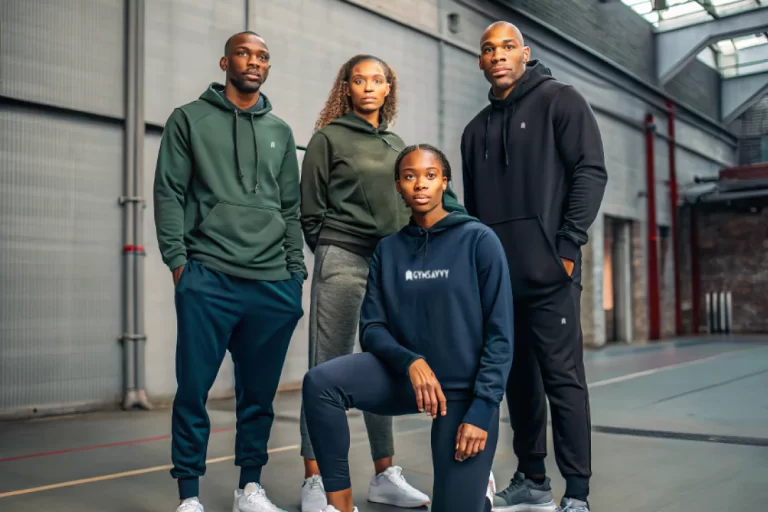
The Shift Toward More Inclusive Activewear
The activewear industry has evolved rapidly over the past decade. While innovation once focused mainly on performance fabrics, moisture-wicking technology, and design aesthetics, another important shift is now shaping the market: size inclusivity.
More consumers today expect clothing brands to represent a wider range of body types. This is expecially true in the fitness and wellness space, shere participation is becoming increasingly diverse.
As a result, many activewear brands are expanding their size ranges and investing in size inclusive activewear collections. For emerging and established brands alike, inclusive sizing is no longer just a marketing message, it is becoming an important part of product development.
What Size Inclusivity Means in Activewear
Size inclusivity in activewear refers to designing garments that fit a broader range of body shapes and sizes, while maintaining the same comfort, performance, and visual appeal.
Traditionally, many activewear brands focused on a limited size range, often from XS to L. However, the industry has gradually moved toward extended sizing, which may include:
- XXS to 3XL or larger
- Petite and tall fits
- Dedicated plus size activewear collections
Importantly, inclusive sizing is not simply about adding larger sizes. Proper activewear sizing development requires careful attention to pattern making, garment structure, and fabric performance.
Why Inclusive Activewear Matters Today
1. The Fitness Community Is More Diverse
Fitness culture has changed significantly. Activities like yoga, pilates, running, and strength training are now practiced by people of many different body types.
Because of this shift, consumers is increasingly look for inclusive yoga wear and activewear that allows them to participate comfortably.
When brands provide clothing that accommodates different shapes and sizes, they help reinforce the idea that movement and wellness are accessible to everyone.
2. Customers Expect Better Fit Options
One of the most common frustrations consumers report when shopping for activewear is inconsistent sizing.
Leggings may feel too tight in the waist but loose in the hips, or sports bras may not provide enough support across different sizes.
By investing in better activewear sizing development, brands can improve overall product satisfaction and reduce returns.
Inclusive sizing often leads to garments that fit more people properly, rather than forcing consumers into a narrow size range.
3. The Plus Size Activewear Market Is Growing
Demand for plus size activewear has grown steadily in recent years. Many consumers who were previously underserved by traditional athletic brands are now actively seeking comfortable, well-designed workout clothing.
This shift has encouraged many brands to rethink product development strategies and expand their offerings.
For manufacturers and brands, this represents and opportunity to reach a broader audience while improving the accessibility of performance apparel.
Design Considerations for Inclusive Activewear
Developing size inclusive activewear requires thoughtful design and technical knowledge. Simply scaling patterns larger or smaller rarely produces a good fit.
Several factors must be considered during development.
Pattern Development
Proper pattern engineering ensures that each size maintains balanced proportions and movement comfort.
Professional pattern makers often adjust multiple measurements instead of replying solely on simple grading.
Fabric Selection
Fabric plays a crucial role in inclusive activewear.
Materials used in yoga wear typically include nylon-spandex blends or polyester-spandex fabrics with four-way stretch, which allow garments to adapt to different body shapes while maintaining support.
Comfort and Movement
Because yoga wear is designed for movement, details such as waistband construction, seam placement, and stretch recovery must be carefully tested.
The goal is to ensure that garment feel supportive without restricting movement.
How Brands Are Responding to Inclusive Sizing
Many activewear brands are now taking practical steps toward greater inclusivity.
These efforts often include:
- Expanding core size ranges
- Conducting fit testing on multiple body types
- Adjusting design details to improve comfort and support
- Using stretch fabric that accommodate body variation
Some brands are also working closely with manufacturers to refine activewear sizing systems and improve overall garment fit.
Inclusive Activewear as a Long-Term Industry Direction
Inclusive sizing is increasingly viewed as a natural evolution of the activewear industry rather than a temporary trend.
Consumers are looking for brands understand real-world needs, including comfort, performance, and fit across different body types.
As the industry continues to grow, size inclusive activewear and inclusive yoga wear will likely become a standard expectation rather than a niche offering.
Final Thoughts
Activewear is designed to support movement, comfort, and confidence. For many consumers, finding clothing that fits well plays a significant role in maintaining an active lifestyle.
By focusing on better activewear sizing, inclusive design, and performance fabrics, brands can create products that serve a wider community.
In the long term, size inclusivity helps make fitness apparel more accessible — while also encouraging a more realistic and welcoming view of health and wellness.