Call Us:+86 17381572955
Is It Better to Wear Socks or Barefoot for Yoga?

Introduction
Should you wear socks for yoga or practice barefoot yoga?
This is one of the most common questions among beginners among beginners and even experienced yogis.
The truth is: both barefoot yoga and yoga socks have their place. The right choice depends on your practice style, environment, and personal needs.
In this guide, we’ll break down the benefits of barefoot yoga vs yoga socks, help you decide what’s best for your situation, and explain when grip yoga socks are actually worth it.
Why Barefoot Yoga Is the Best Choice for Most Practitioners
Practicing barefoot yoga is the traditional and most recommended approach — and for good reason.
Better Grip and Stability
Bare feet create direct contact with the mat, giving you natural traction. This is especially important in poses like Downward Dog, Warrior, and Plank, where slipping can affect alignment and safety.
Improved Balance and Body Awareness
Barefoot practice activates the sensory receptors in your feet, improving balance and coordination — essential for poses like Tree Pose or Half Moon.
Stronger Mind-Body Connection
Yoga is about grounding. Practicing barefoot enhances your connection to the mat, helping you stay present and focused.
Natural Foot Strengthening
Barefoot yoga engages foot muscles that are often neglected, improving long-term strength, mobility, and stability.
When Wearing Yoga Socks Makes Sense
While barefoot yoga is ideal in many cases, yoga socks — especially grip yoga socks — can be beneficial in certain situations.
Cold Practice Environments
If you’re practicing at home in winter or in a cold studio, socks help maintain warmth and prevent muscle stiffness.
Hygiene Concerns
In shared studios, yoga socks provide a barrier between your feet and the mat or floor.
Sensitive Feet or Injuries
If you have conditions like plantar fascilitis or sensitive skin, socks can offer extra comfort and protection.
Grip Socks for Added Stability
High-quality grip yoga socks feature silicone patterns on the sole, helping prevent slipping while offering coverage.
Barefoot Yoga vs Yoga Socks: Key Differences
| Factor | Barefoot Yoga | Yoga Socks (Grip) |
| Grip | Excellent natural traction | Good (if non-slip) |
| Balance | Superior | Slightly reduced |
| Hygiene | Less protection | More hygienic |
| Warmth | Cooler | Warmer |
| Foot Strength | Builds naturally | Limited activation |
How to Choose: Socks or Barefoot for Your Practice
If you’re still unsure, here’s a simple way to decide:
- Sweaty or hot yoga session → Barefoot yoga is best for grip
- Cold environment → Choose yoga socks for warmth
- Beginner → Barefoot helps build balance and awareness faster
- Hygiene concerns → Use grip yoga socks
- Low-movement yoga (Yin/Restorative) → Socks are perfectly fine
In most dynamic practices like Vinyasa or Power Yoga, barefoot yoga remains the best option.
Are Yoga Socks Worth It?
Yes — but only if you choose the right type.
Regular socks can be slippery and unsafe. However, non-slip grip yoga socks are specifically designed for movement and stability.
They are worth it if you:
- Practice in colder climates
- Prefer extra hygiene in studios
- Want added comfort without going fully barefoot
At the same time, if your goal is to improve balance, strength, and performance, barefoot yoga will always be superior.
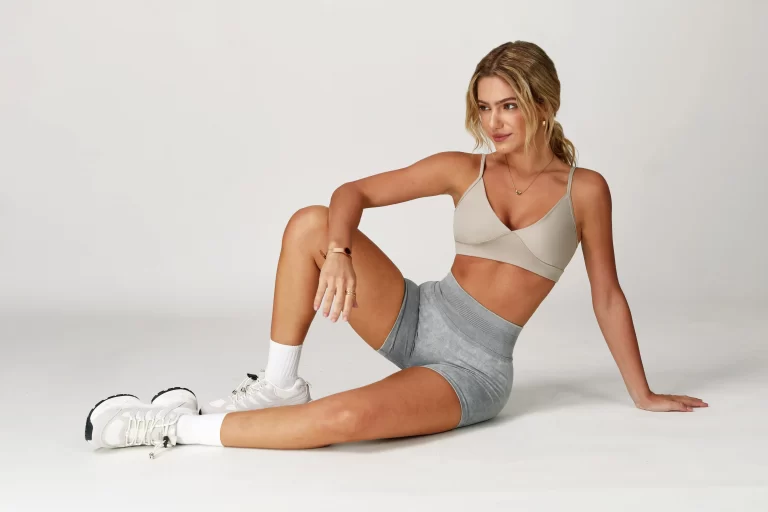
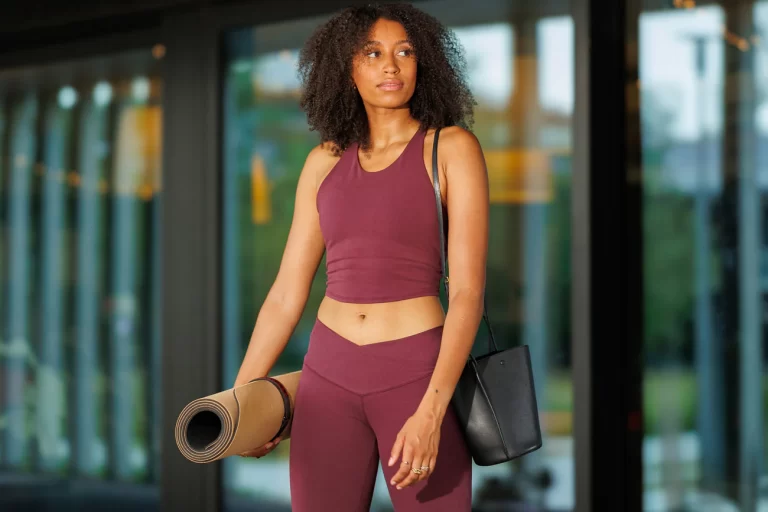
What to Wear for Yoga (Beyond Feet)
Your performance isn’t just about your feet — your outfit matters too.
For the best yoga experience, choose:
- Breathable, sweat-wicking fabrics
- Supportive sports bras
- High-stretch leggings that allow full range of motion
The right activewear enhances comfort, reduces distraction, and supports better movement flow throughout your practice.
FAQ: Socks or Barefoot for Yoga
Can you do yoga with regular socks?
You can, but it’s not recommended. Regular socks lack grip and can increase the risk of slipping.
Are yoga socks necessary?
No, they are not necessary. Barefoot yoga is still the best option for most people.
Are grip yoga socks good for beginners?
They can help with comfort and confidence, but beginners benefit more from barefoot practice for balance development.
Do yoga studios allow socks?
Yes, most studios allow socks, but for active classes, barefoot is usually preferred.
Is barefoot yoga more hygienic?
Not necessarily. It depends on your mat cleanliness. Using your own mat reduces hygiene concerns.
Final Thoughts
So, is it better to wear socks or barefoot for your?
For most people and most practices, barefoot yoga is the better choice due to superior grip, balance, and muscle engagement.
However, grip yoga socks are a great alternative when warmth, hygiene, or comfort is a piority.
The key is to match your choice with your environment and practice style — so you can move with confidence, stability, and ease.