Call Us:+86 17381572955
5 Essential Sewing Tips for Beginners: Improve Stitch Quality Like a Pro

Beginner sewing techniques for straight seams, thick fabrics, curved hems, and professional garment finishing
If you are just starting your sewing journey, mastering a few small technical habits can dramatically improve your results.
From securing stitches properly to sewing thick fabrics smoothly, these beginner sewing tips help you create cleaner seams, reduce puckering, and achieve a more professional garment finish.
Whether you sew yoga wear, activewear, cotton T-shirts, leggings, or casual apparel, these practical techniques will help improve both sewing efficiency and product quality.
Why Beginner Sewing Techniques Matter for Garment Quality
Many sewing mistakes are not caused by poor machines, but by small technical details:
- loose thread ends
- uneven folded hems
- skipped stitches on thick fabrics
- wrinkled curved necklines
- crooked seam lines
Once these basics are corrected, your garments instantly look more premium.
For apparel factories, sewing studios, and fashion startups, these small techniques directly affect:
- stitch durability
- fit consistency
- production speed
- customer satisfaction
- return rate
This is especially important in stretch garments and activewear manufacturing, where seam performance impacts wear experience.
1. Always Backstitch at the Start and End of Every Seam
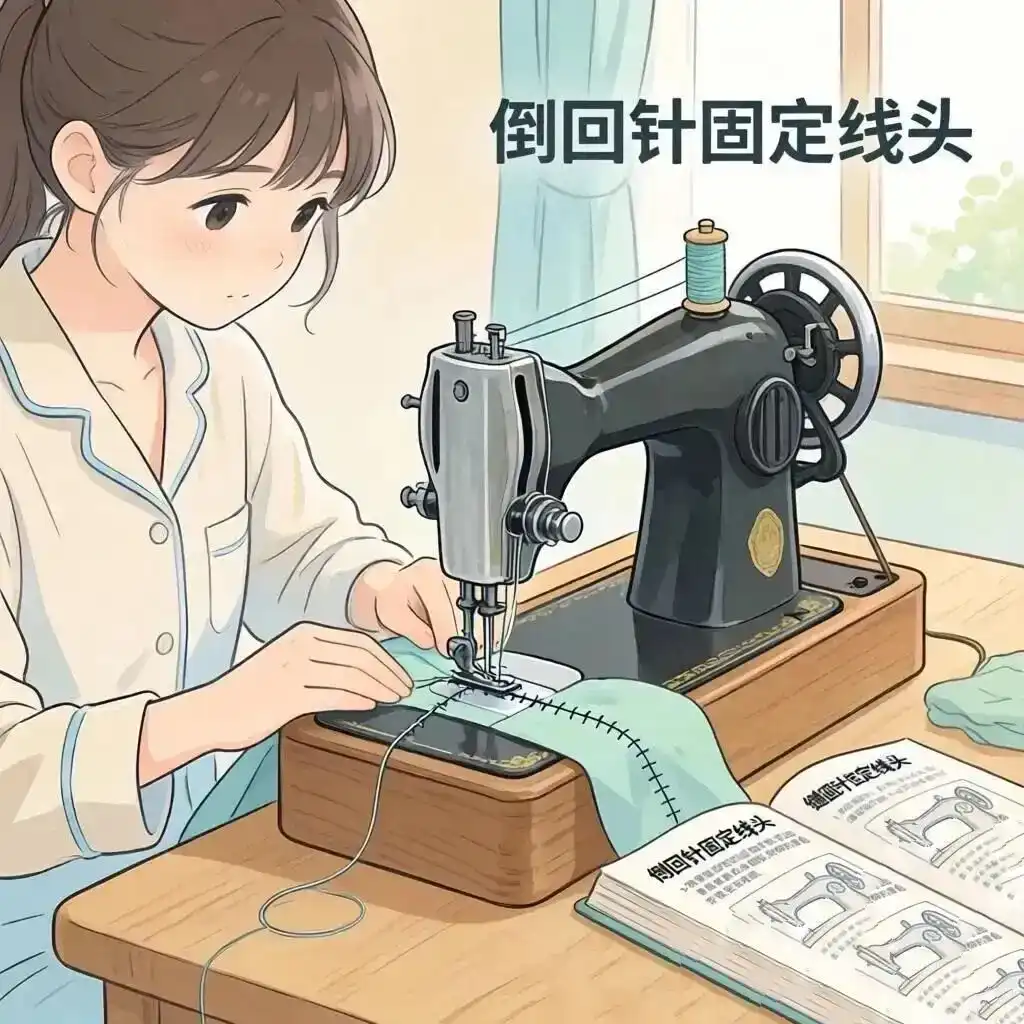
The most important beginner sewing tip is simple: always backstitch.
Backstitching locks the thread so the seam does not open after washing or stretching.
Best Practice
- Sew forward 1–2 stitches
- Reverse stitch over the same area
- Continue forward normally
- Repeat at the seam end
This is essential for:
- side seams
- waistband joins
- sports bra elastic seams
- leggings crotch seams
- pocket openings
For activewear sewing, this technique improves seam strength significantly.
2. Use Water Mist to Create Cleaner Folded Hems
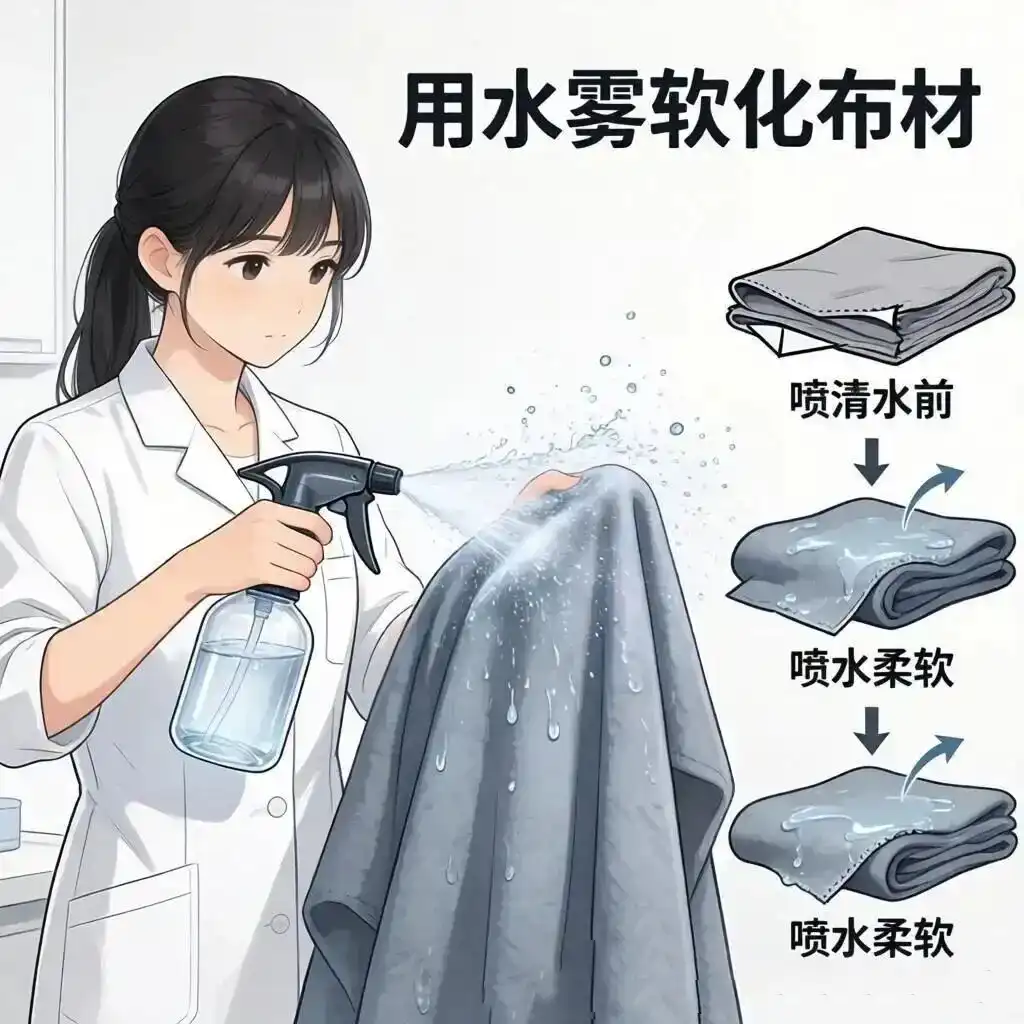
When sewing cotton, linen, or bamboo viscose, folded edges may not stay flat.
A simple fine water mist spray helps soften the fibers before folding.
Spray lightly on the fold line and wait 10–15 seconds.
This makes the fabric easier to shape and creates:
- sharper hems
- cleaner neck bindings
- smoother folded edges
- less heat damage from over-ironing
This tip works especially well for yoga tops, tank tops, rib trims, and neckline finishing.
3. Use a Fabric Scrap to Level the Presser Foot on Thick Fabrics
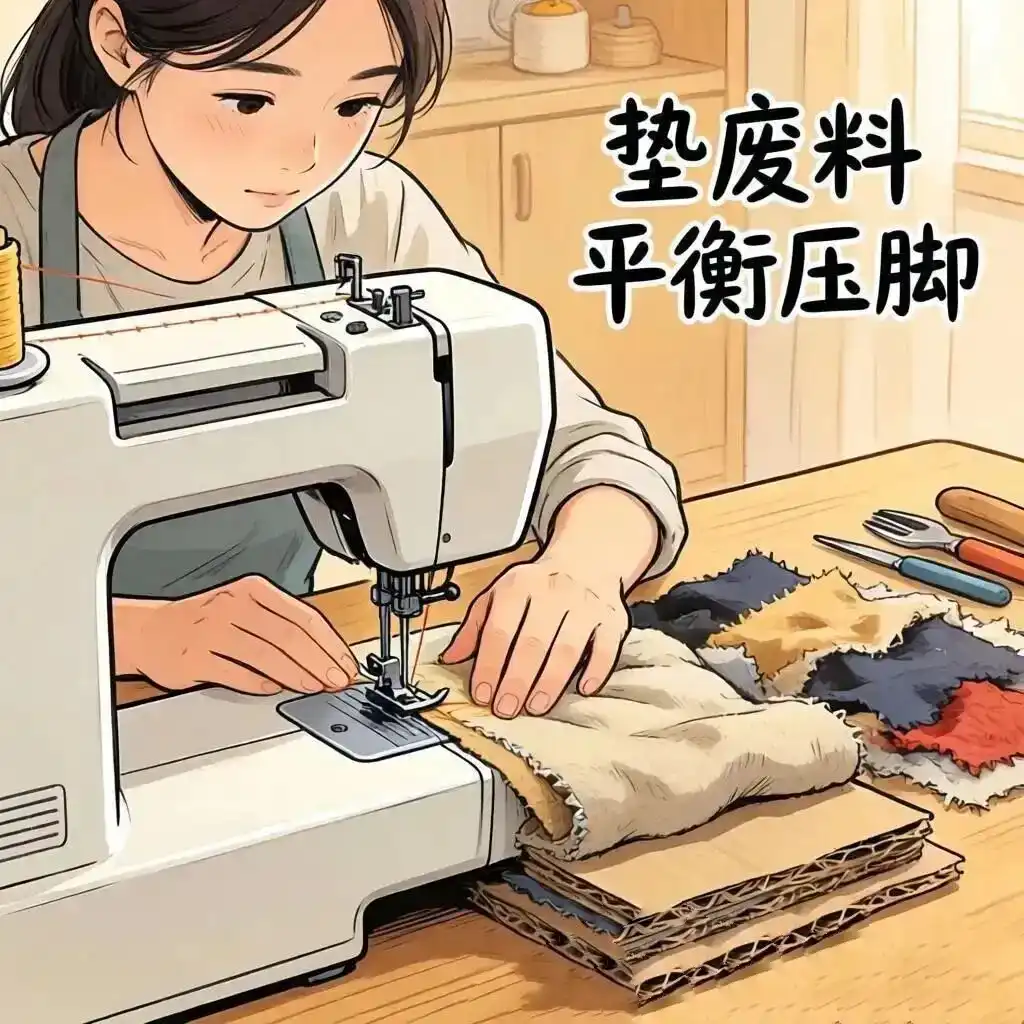
When sewing thick fabrics like:
- denim
- fleece
- wool
- stacked waistbands
- elastic overlaps
the machine may get stuck because the presser foot becomes unbalanced.
Quick Fix
Place a folded scrap fabric or cardboard behind the presser foot.
This keeps the foot level and allows smooth feeding over bulky seams.
This sewing tip is highly effective for:
- hoodie cuffs
- leggings waistbands
- biker shorts hems
- reinforced activewear seams
4. Prevent Wrinkles on Curved Hems with Ease Stitching
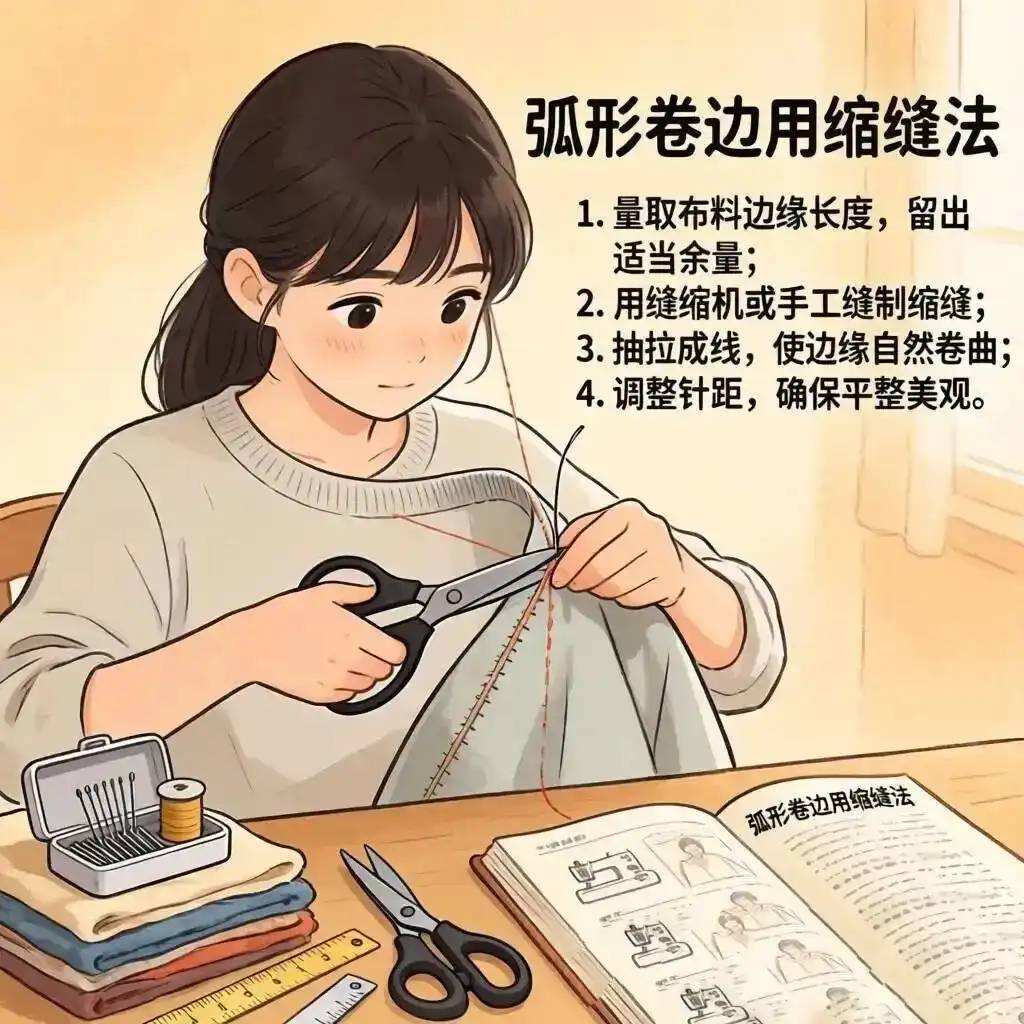
Curved seams often wrinkle because the outer edge is naturally longer than the inner edge.
The professional solution is ease stitching.
How to do it
- Increase stitch length to 4–5 mm
- Sew one loose guide stitch
- Gently pull the bobbin thread
- Slightly shrink the outer edge
- Fold and press into shape
This method creates smooth:
- necklines
- armholes
- sleeve hems
- racerback tank edges
- fitted yoga top openings
It is one of the most useful garment sewing techniques for beginners.
5. Follow the Seam Guide Instead of Watching the Needle
If your straight stitching always looks uneven, stop watching the needle.
Instead, align the fabric edge with the machine seam allowance guide.
For example:
- 1 cm
- 1.5 cm
- 2 cm
This keeps the seam line naturally straight and improves consistency.
This is one of the fastest ways to improve:
- T-shirt side seams
- leggings outer seams
- yoga bra straps
- zipper topstitching
FAQ: Common Beginner Sewing Questions
Why do my seams come undone after sewing?
The most common reason is missing backstitching. Always secure the start and end of the seam.
How do I sew thick waistband seams smoothly?
Use a folded scrap fabric behind the presser foot to keep it level.
Why do curved necklines wrinkle?
The outer curve is longer than the inner edge. Ease stitching helps shrink the excess smoothly.
How can I sew straighter lines?
Watch the seam guide line instead of the needle.
Final Thoughts: Small Sewing Habits Bring Professional Results
Professional garment construction starts with small habits.
By mastering these 5 essential sewing tips for beginners, you can improve:
- stitch durability
- seam appearance
- production speed
- garment finishing quality
For brands focused on activewear, yoga wear, leggings, and performance apparel, these sewing fundamentals are the foundation of premium product quality.